ACERVO
COPELLO NORERO
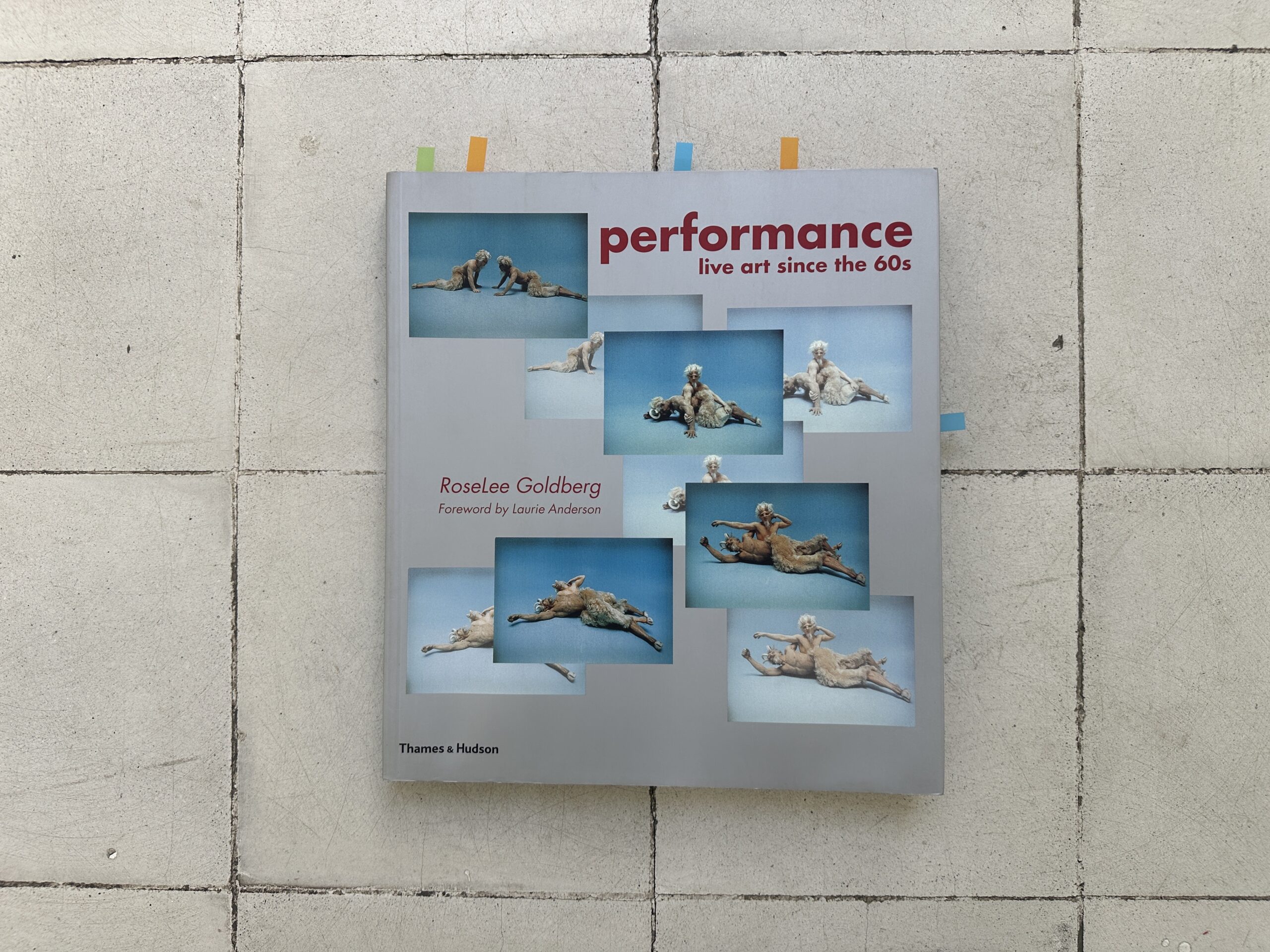
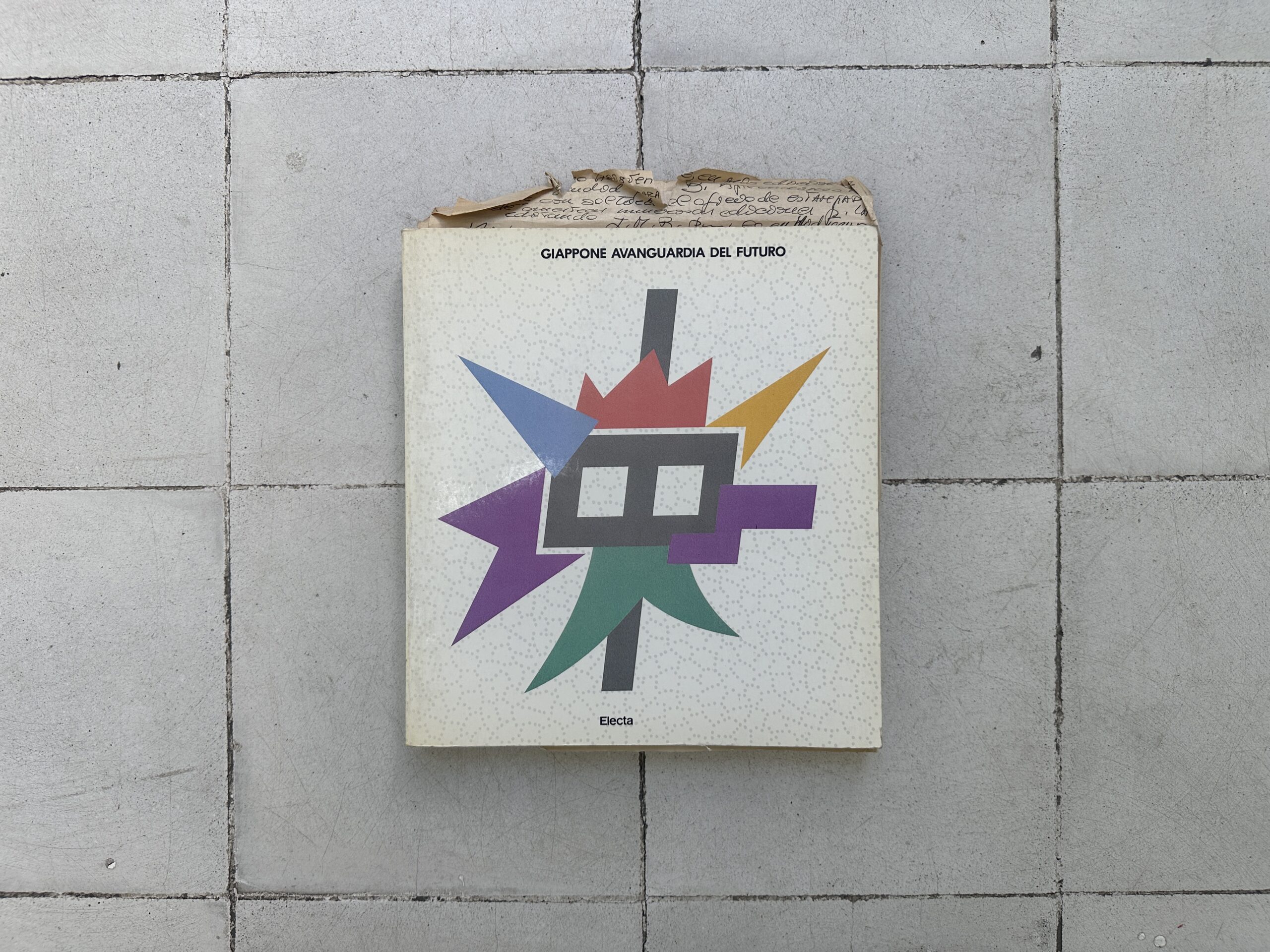
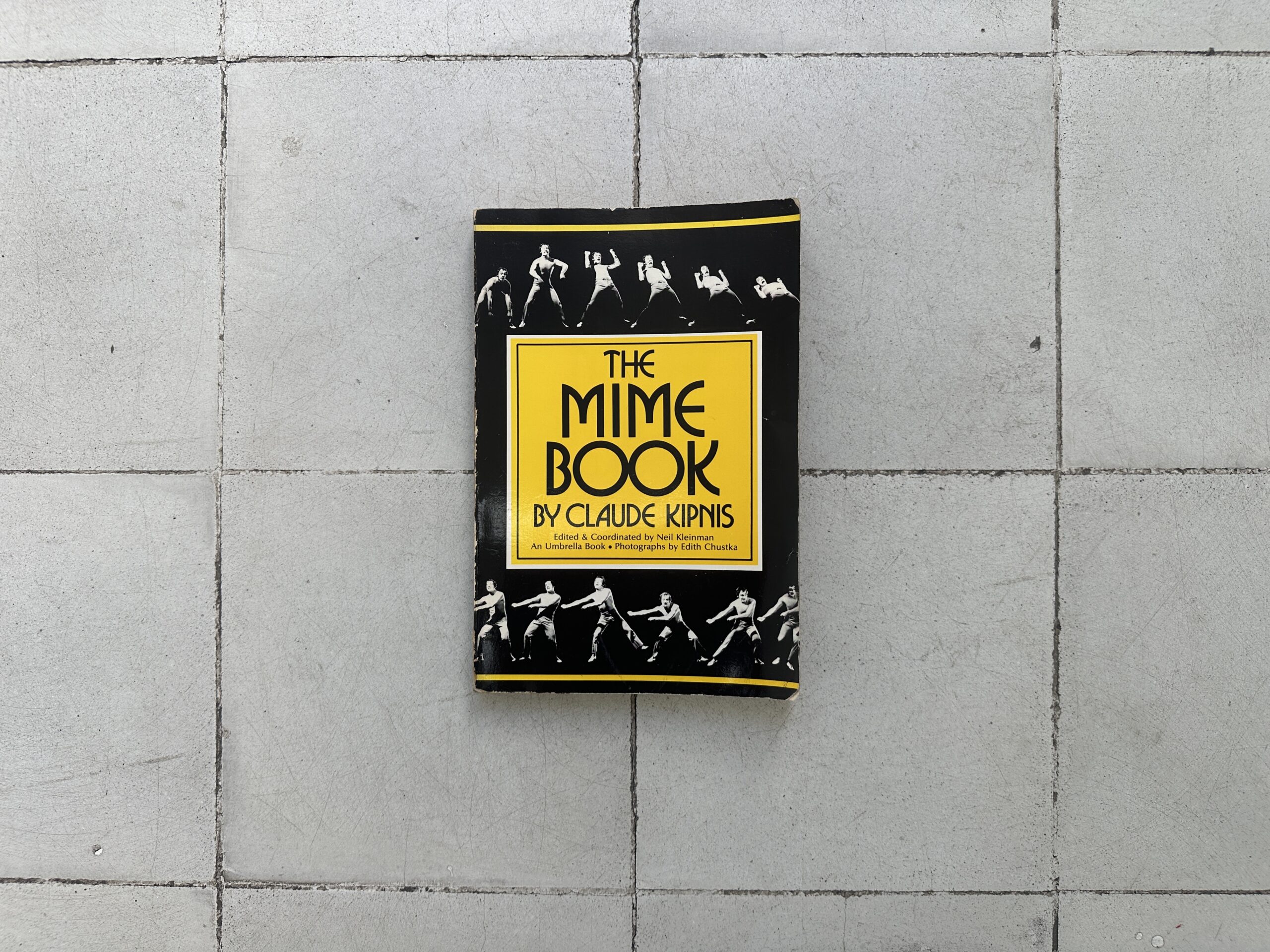
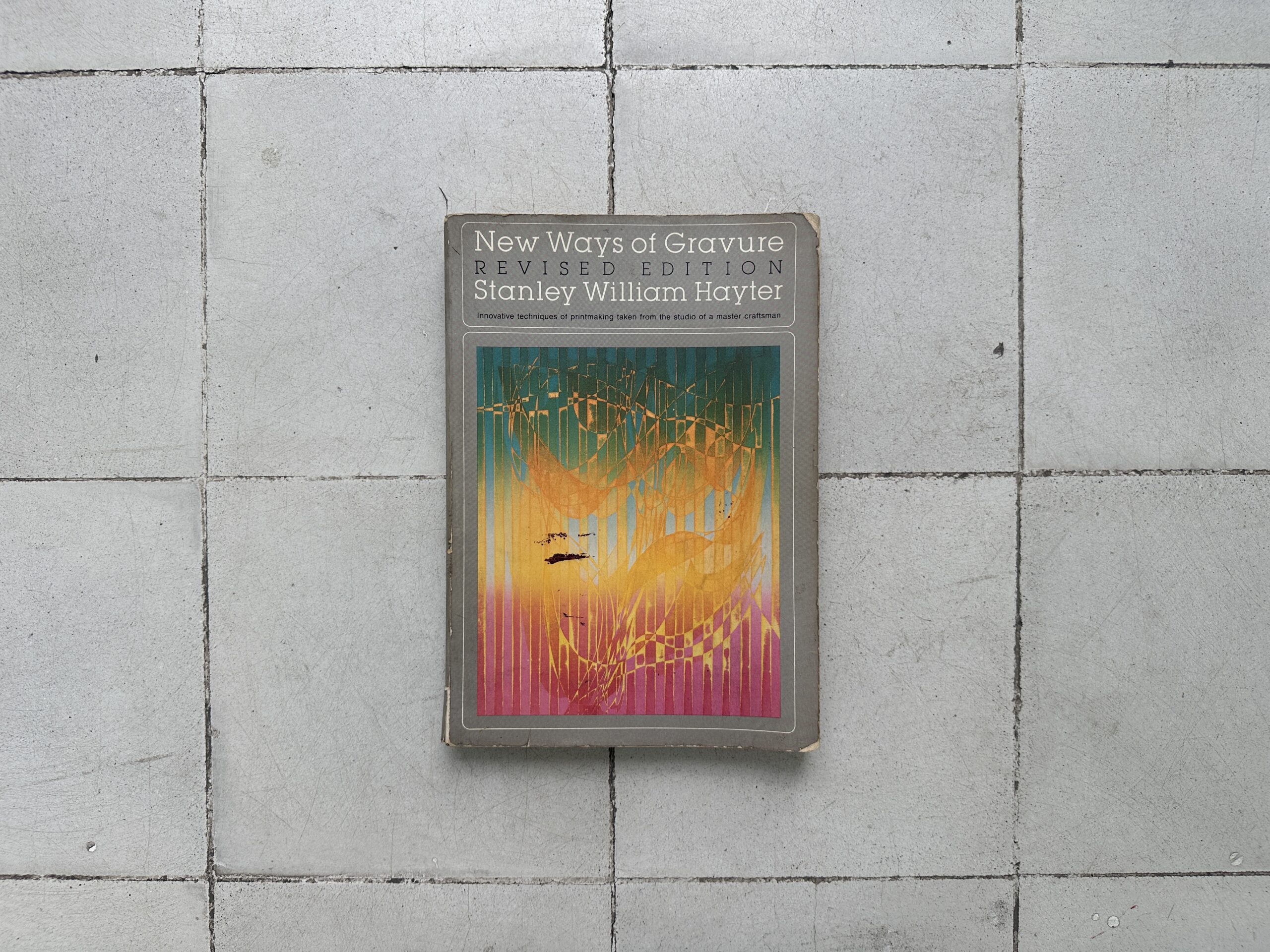
This digital repository is a cohesive organization of the documentary material produced by and/or owned by the visual artist and performer Francisco Copello Norero (Santiago, Chile, 1938–2006), which remained in the possession of the Copello family following his death.
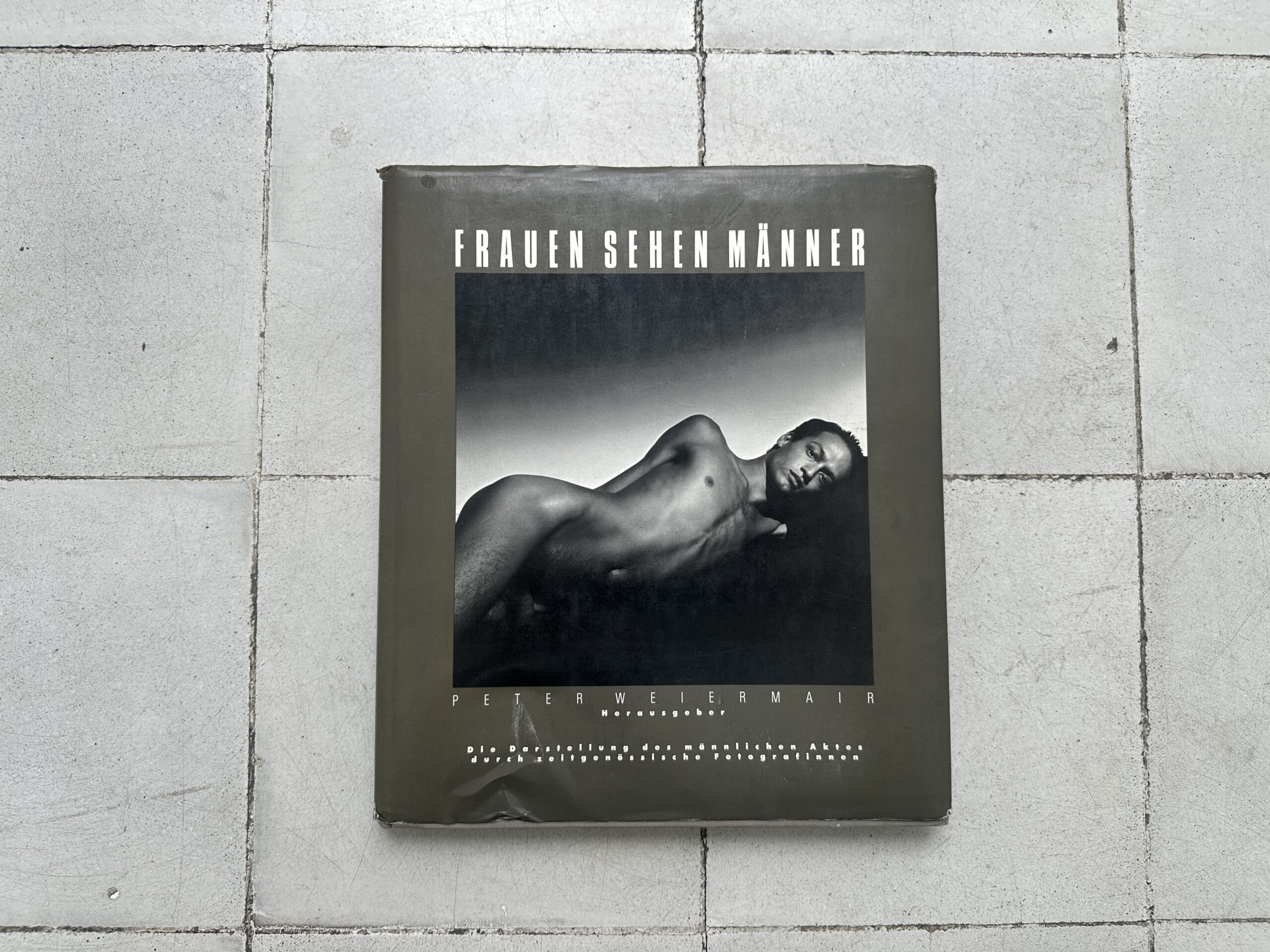
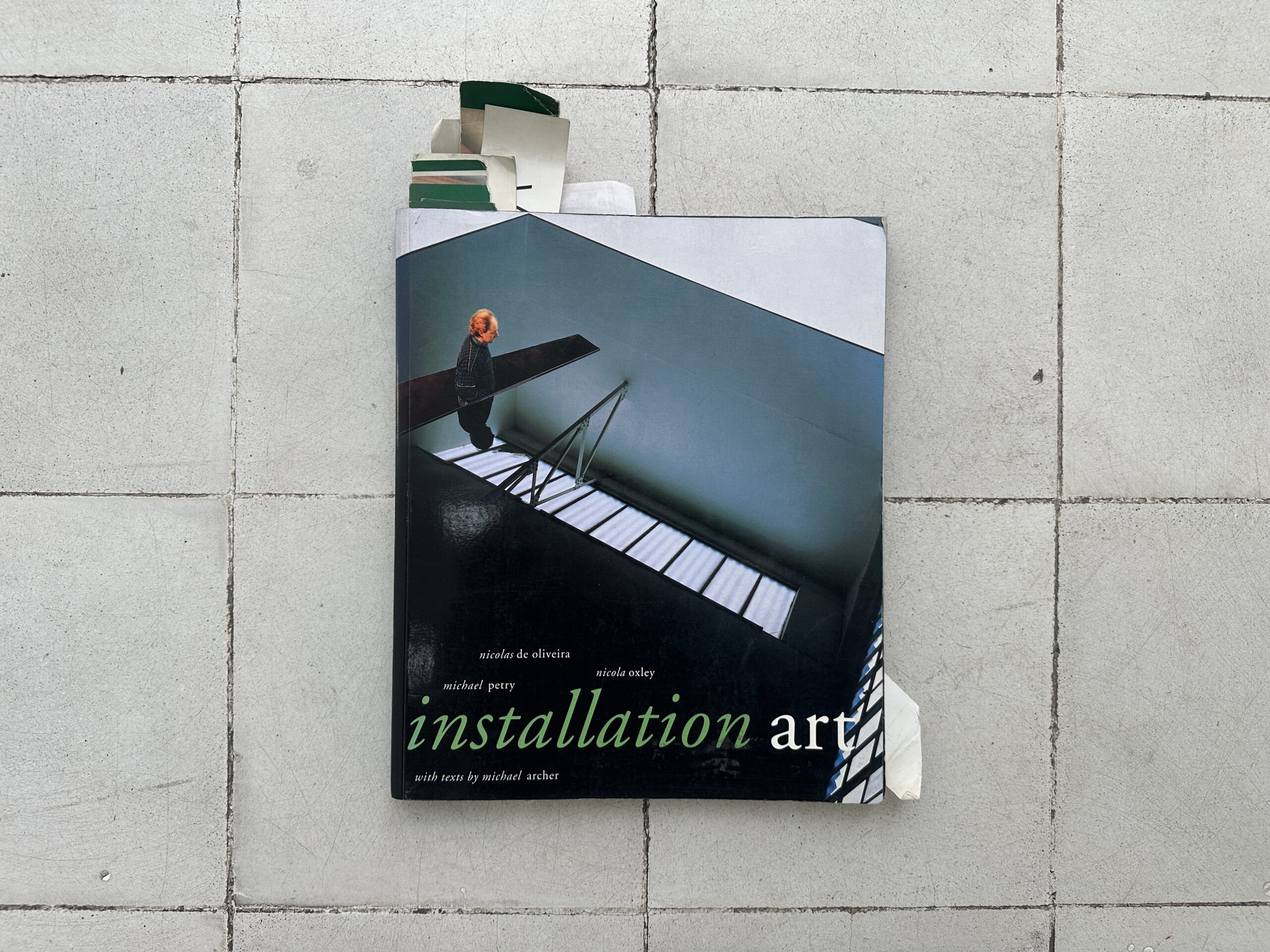
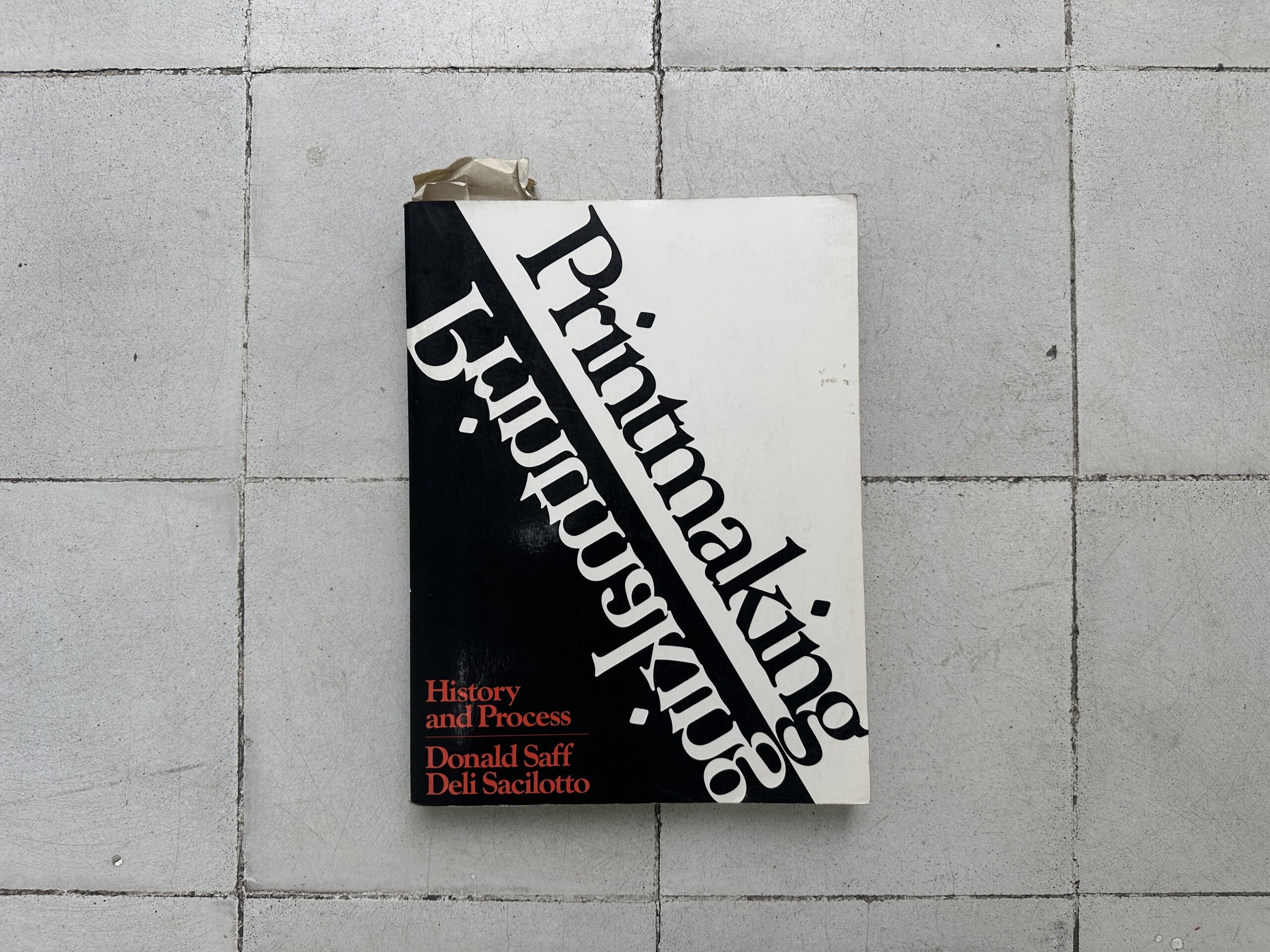
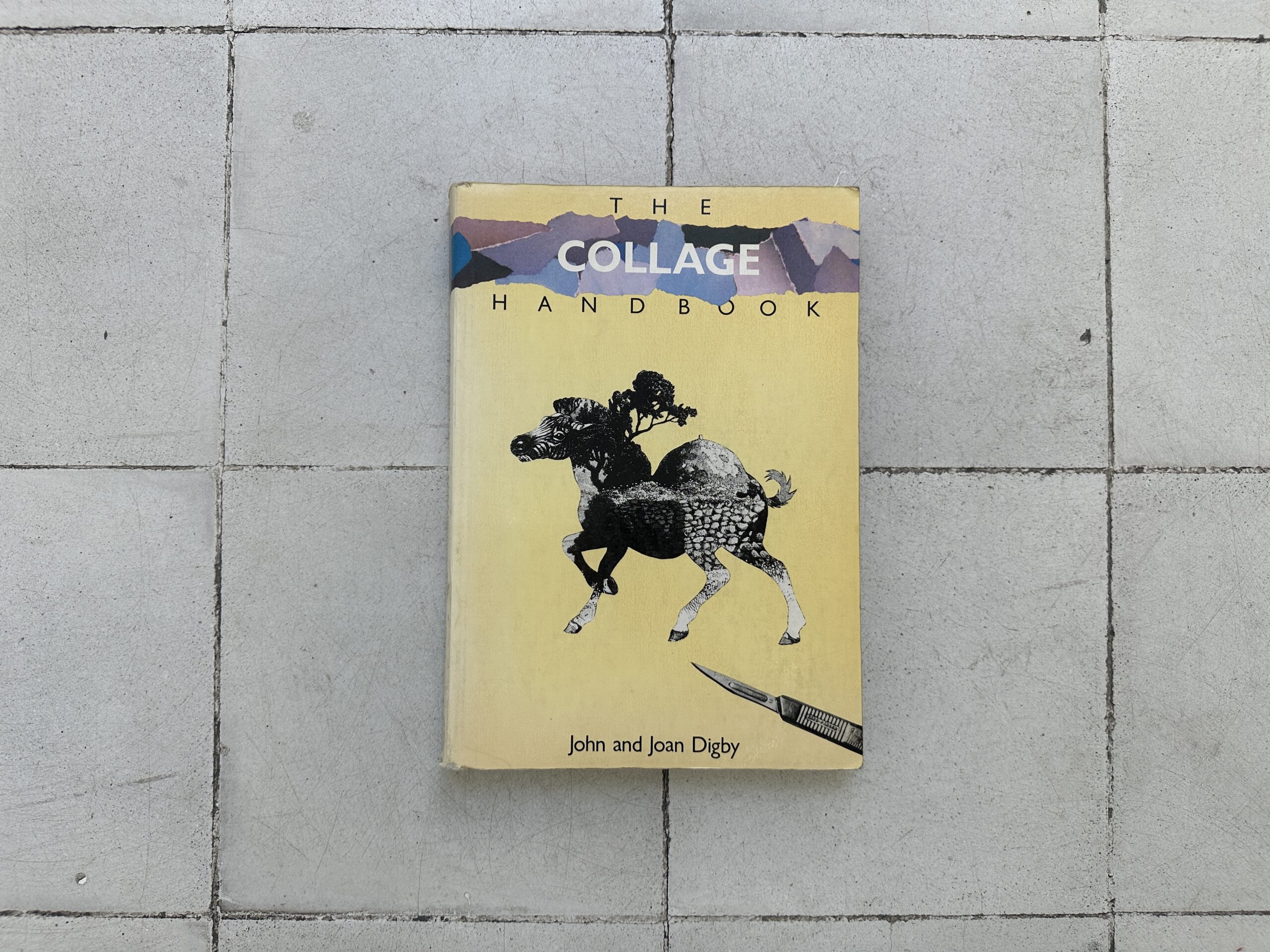
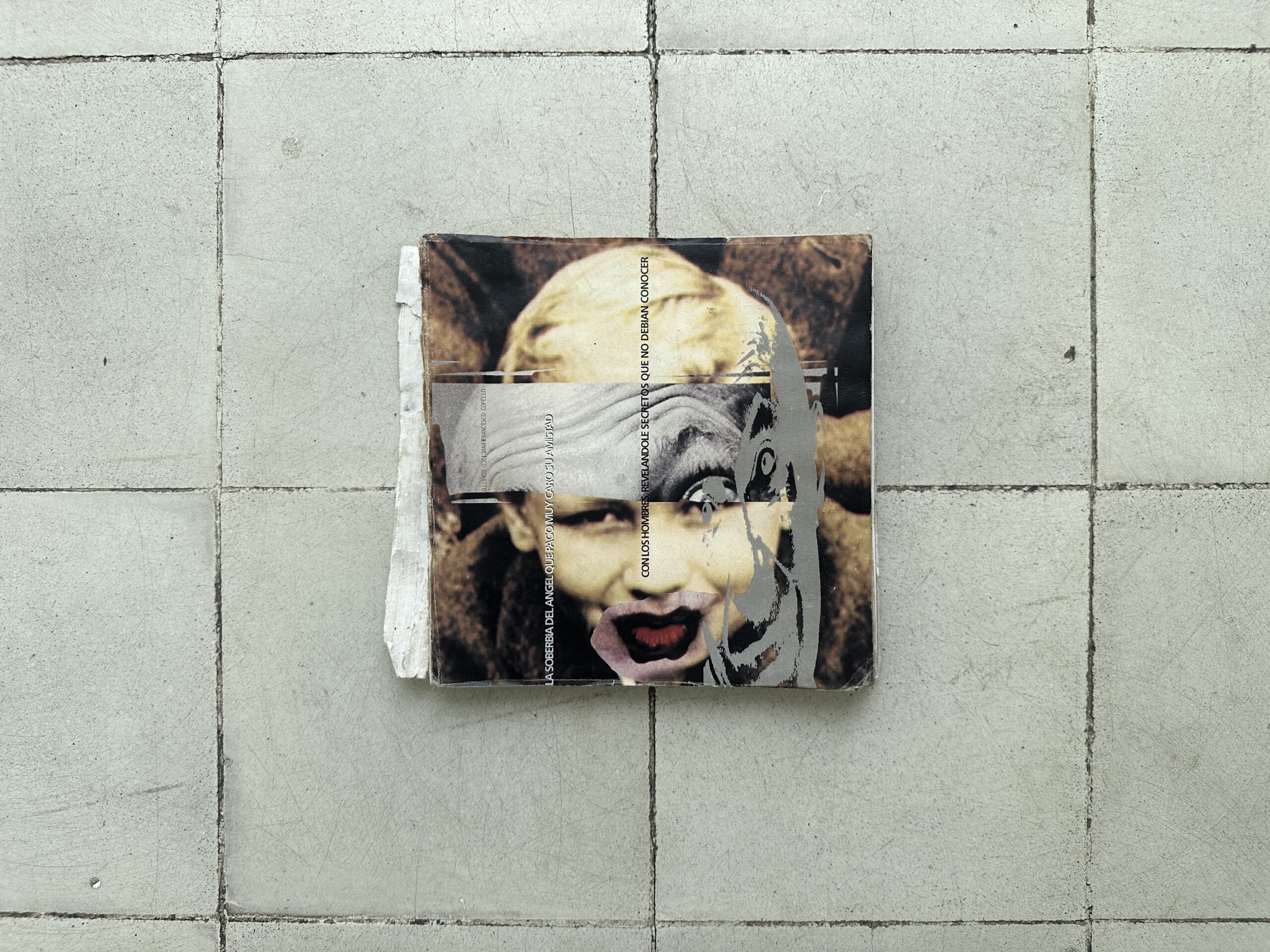
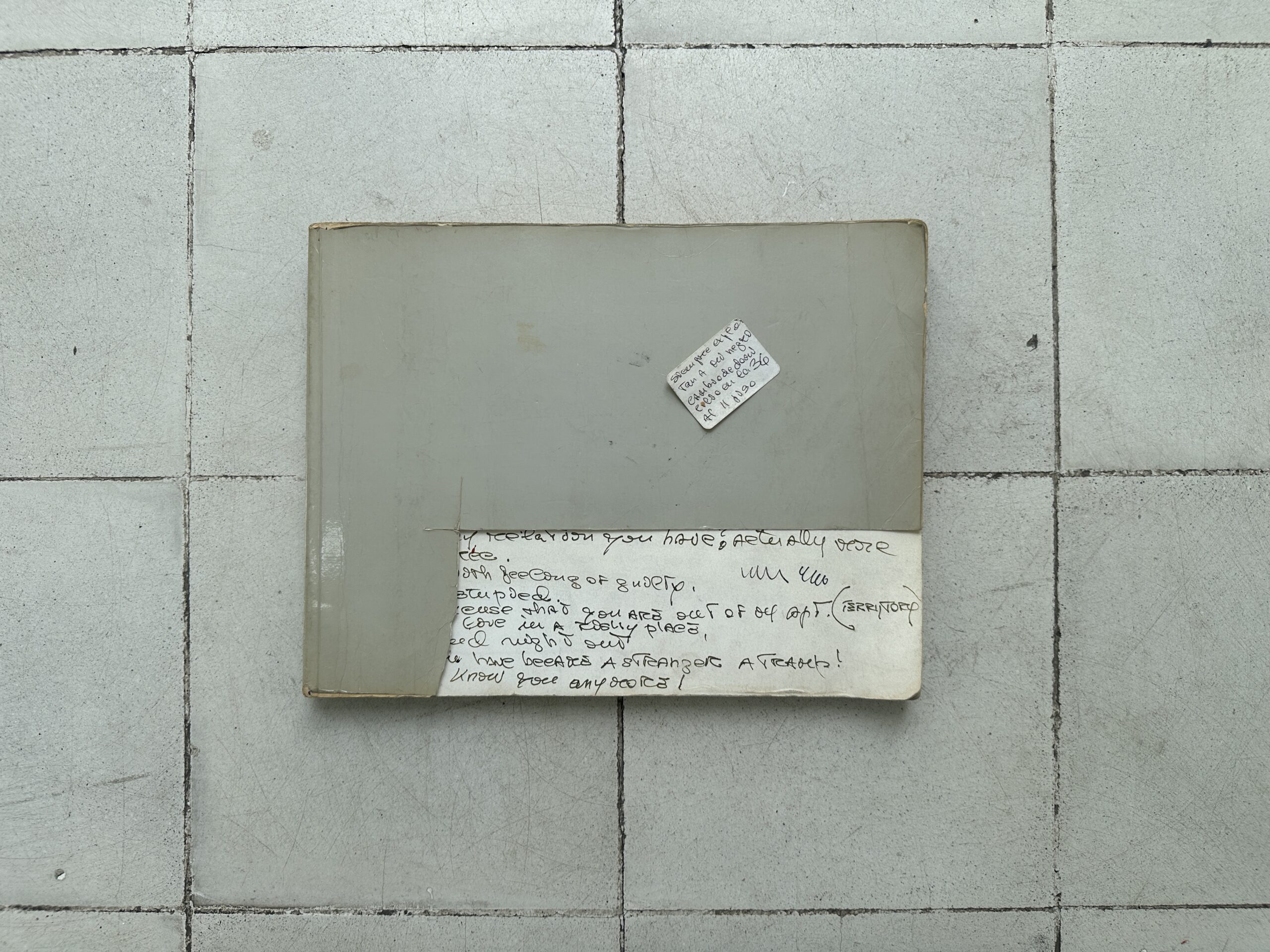
This material, composed of drawings, collages, photographs, audio and video tapes, manuscripts, books, magazines, exhibition catalogs, etc., was previously unpublished, as it had not been made available to the public.
The research aimed to recognize, identify, preserve, and publish the documents in order to make them known to diverse audiences, thereby contributing to a greater understanding of Copello’s artistic legacy within the national and international cultural spheres. Likewise, this project aims to address the current need to rescue and document the personal archives of Chilean artists, on the understanding that it is essential to preserve the memory of artists and make it available to communities that can study them and generate new interpretations that contribute to the enrichment of art history.
Die Ecke
TIMELINE
The following timeline presents all of Francisco Copello’s unpublished artistic and documentary material (photographs of artworks and contexts, leaflets, catalogs, press clippings, etc.) belonging to the Copello-Norero family collection into chronological periods.
Alongside this material are other documents and information from national collections that preserve original documentary material donated during Francisco Copello’s lifetime to foster critical intersections between documentary collections: written documentary material from CeDOC (Center for Visual Arts Documentation, Cerrillos National Center for Contemporary Art) and audiovisual material—recordings of performances, interviews, and others—available online at the National Museum of Fine Arts website.
- Con Inés Osella, Florencia
- Vistas de Florencia
- Documentos Academia Bellas Artes Florencia
- Grabados en Nueva York
- Studio 69 / Studio F
- The Last Supper
- The Printer
- Sin título
- Pieza para Locos
- XII Bienal de Sao Paulo
- Calendario
- Rosas
- A star is born
- Galleria Diagramma
- El Mimo y la Bandera
- Gioconda
- Serie Las Islas Encantadas
- Y muere glorioso el patriota
- Disegni delle Isole Galápagos
- Silvio Wolff
- Giuseppe Pino
- Crucifixión
- Modelo Academia Ligure
- Omaggio a Neruda
- Estrella Reina Mártir
- The Fringe Festival '79
- Il sembrare e l'essere
- A Mime Story
- Cuadros de una Exposición
- Nace una estrella
- Lulú de Alban Berg
- Lana Turner
- Happenings & Performances
- Galliera Nou
- Sin título (Figuras de Agua)
- The Bride of America
- Seduction
- Rheinbeck
- Serie Circo
- Serie Cubos
- Serie Principito
- Serie Máscaras
- Serie Retratos
- American Mime Theater
- Times & Life of Atahualpa
- Vistas de Rio
- Obras sin título
- Sketchbook 1
- Sketchbook 2
- Sketchbook 3
- Sketchbook 4
- Sketchbook 5
- Sketchbook 6
- Sketchbook 7
- Sketchbook 8
- Cosmologies
- Collages The Last Supper
- Collages El Mimo y la Bandera
- Collages The Bride of America
- Collages Casta Diva
- Grabados Casta Diva
- Collages y grabado sin título
- Memories
- The Printshop Training
- Amazonía
- Madhouse
- Obras sin título
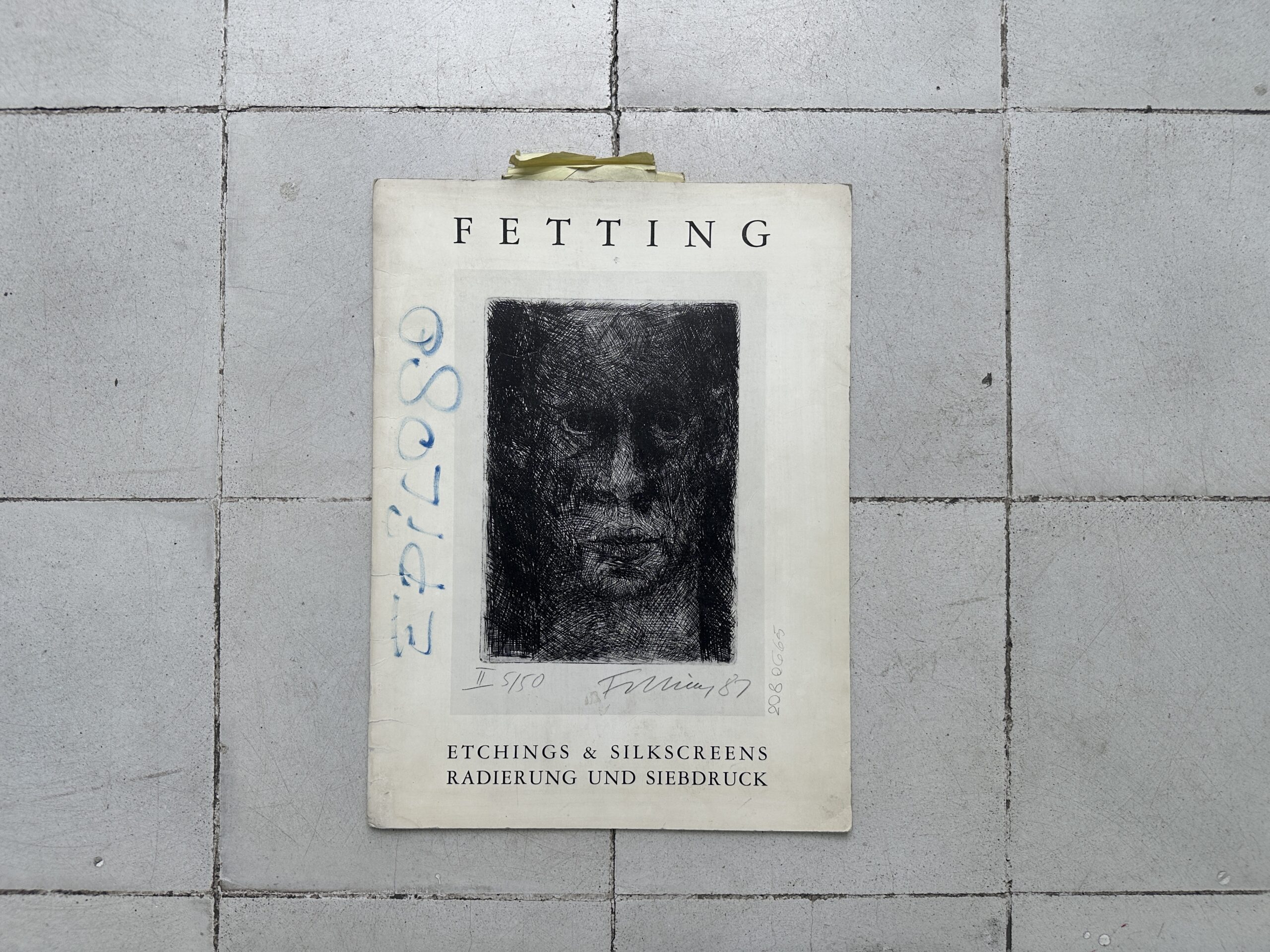
- Fotografías sin título tomadas por Rainer Fetting
- Collage Figuras de Agua
- El perro de Lichtenstein
- Picabia
- Sin Título
- Técnica mixta sin título
- Serie Volcanes
- Africus Bienal de Johannesburg, MAC
- Internacional de Gráfica Faber Castell, MAC
- Collages Francisco Copello, CCLC
- Huellas, MAC
- Pinturas objetuales
- El Viaje
- Homenaje a Goya
- Misa Negra y Vogue
- Francisco Copello, Posada del Corregidor
- Razones de Familia, Posada del Corregidor
- Arte reciente en Santiago de Chile, Galería Posada del Corregidor
- Autorretrato
- Ningún artista ve las cosas como son...
- Primer Encuentro de Artes Emergentes
- Sin título
- Warhola y Razones de Familia
- Descubriendo el Arte
- Performance sin identificar, Chile
- Sesión fotográfica en casa, Chile
- Revista Lat.33 Septiembre 2003
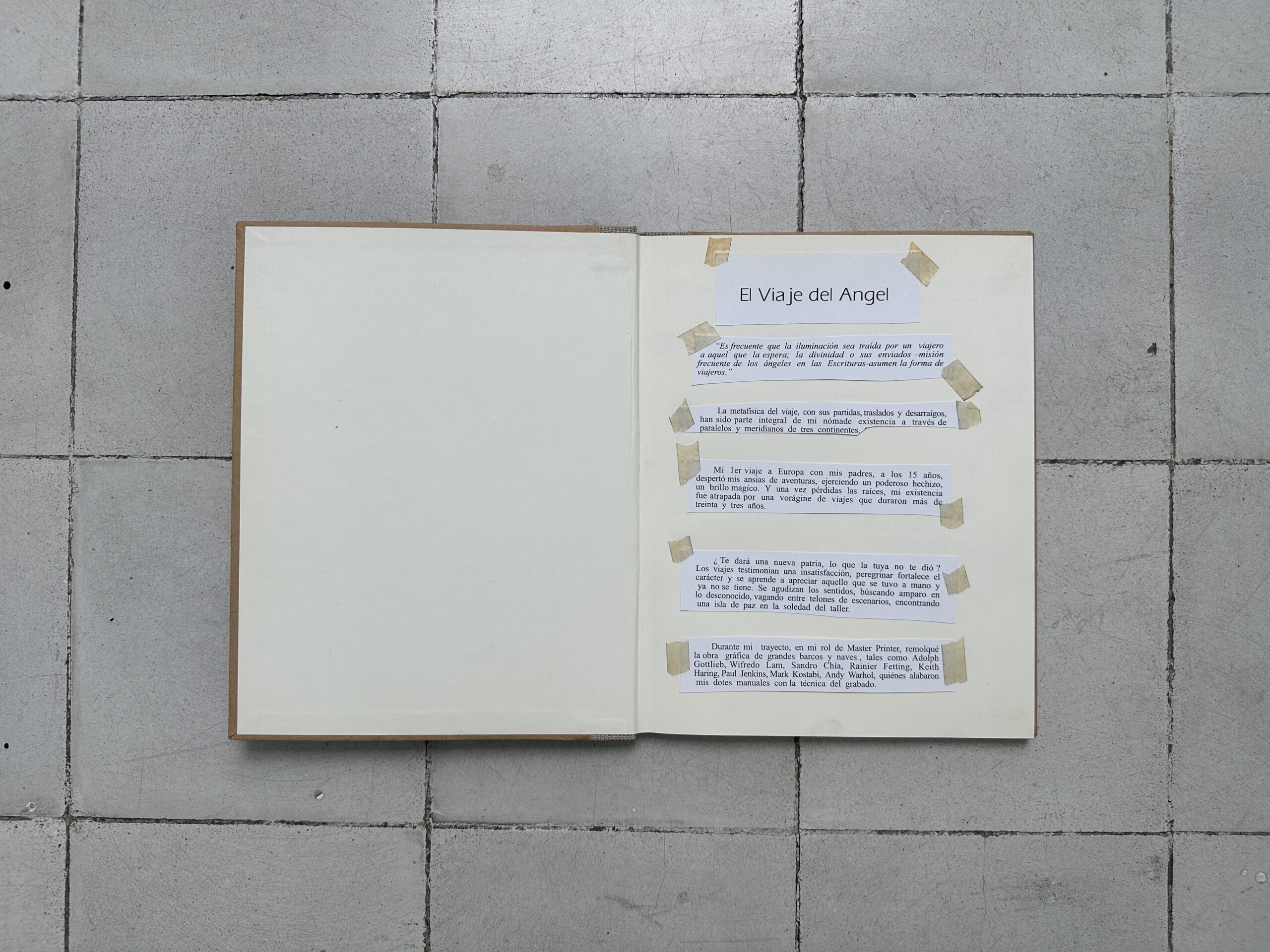
- Serie El Viaje del Ángel
- Fragile
- Folleto "Copello 2001 Exposición - Collages y Serigrafía", MAC Valdivia
- Chitón
- Invitación "Fotografía de Performance: análisis autobiográfico de mis performances", MNBA
- Folleto "Francisco Copello, Ejercicios sobre la Memoria", Pinacoteca U. Concepción
- Obras sin título
- "La Vida es un Sueño", Revista Ambientes N° 33
- "Sobre el arcoíris", Revista Ambientes N° 34
- Movie Play
- El Día de los Locos, 11-S-1973, U. Arcis
- Obras sin título
- Bandera
- Sortilegio
- Serie Poesía técnica mixta
- Revista Paula "Copello Technicolor"
- Lo mejor de Copello, U. de Talca
- Revista Arte al Límite "El rey sin corona"
- Revista Más Deco "Performance by Frank Copello in the 80s"
- XI Bienal de Berlín
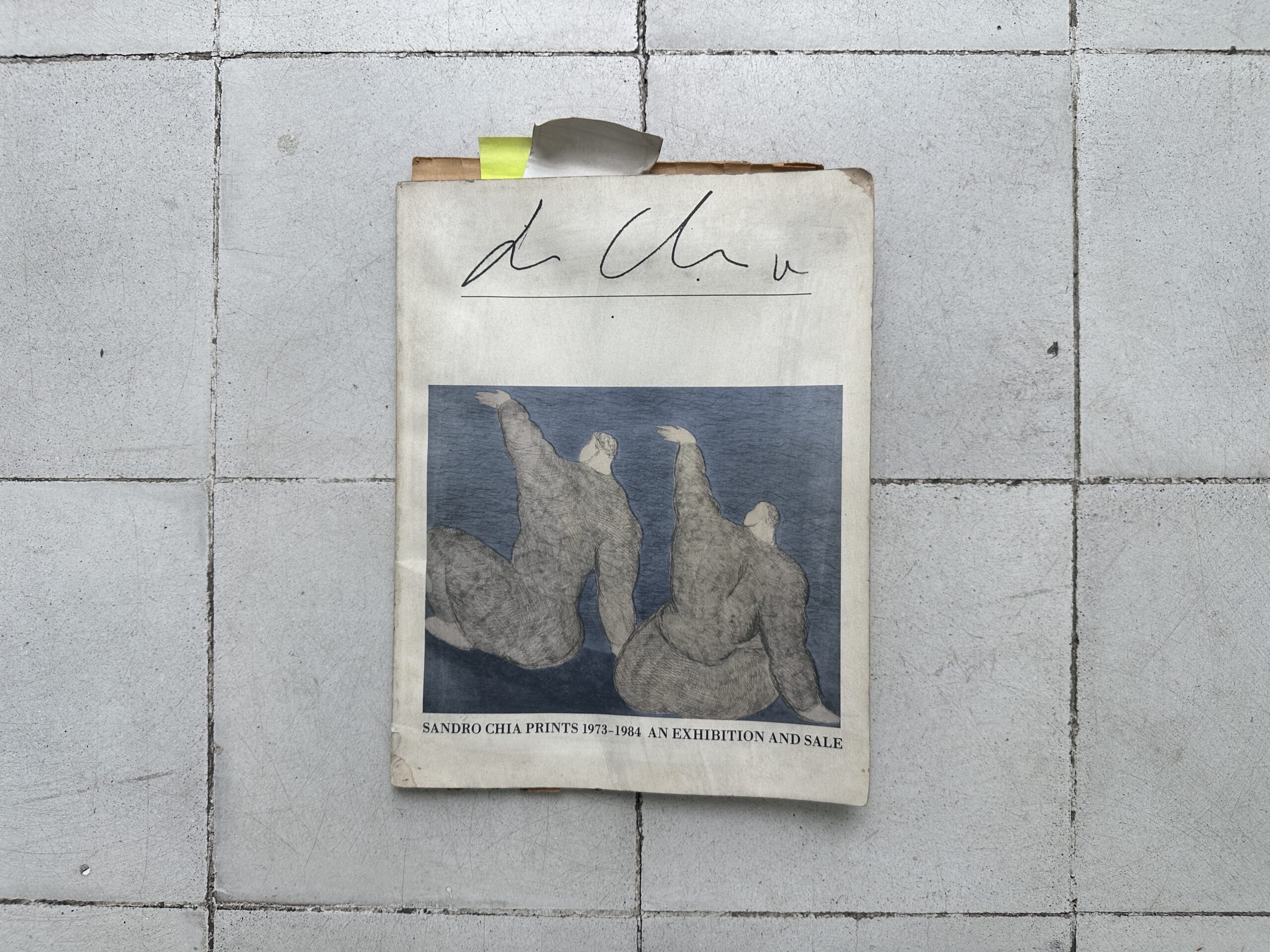
- Sandro Chia
- Keith Haring
- Mark Kostabi
- Rainer Fetting
BIOGRAPHY OF FRANCISCO COPELLO
Francisco Copello Norero was born in Santiago, Chile, on May 21, 1938, the son of Italian immigrant parents. During his childhood, he studied at the Scuola Italiana. Later, he briefly studied law and subsequently worked for several years at his father’s “Bandera” pasta factory.
In 1962, he left for Italy to study at the Academy of Fine Arts in Florence until 1966, where he earned a degree with a major in Painting. In late 1966, he married American socialite Susan Stevenson, and moved with her to the USA, where, through his wife’s family connections, he began working at the Whitney Museum and came into contact with several contemporary artists, including Robert Rauschenberg and Andy Warhol.
Soon after, in 1967, Copello moved to New York City to specialize in printmaking at the Pratt Graphics Center, where his teachers included the Latin American artists Luis Camnitzer and Roberto Delamónica, as well as Michael Knigin, one of the founders of Chiron Press, one of the most important print shops of the era in the production of Pop Art. He served as an assistant and collaborator to Michael Knigin during the establishment of his new private printmaking studio. After a year of study at the Pratt Graphics Center, he earned the title of Master Printer and established his own studio-workshop alongside musician Fernando Torm—known interchangeably as Studio F or Studio 69—a space dedicated to the development of printmaking, music, and dance.
Between 1969 and 1972, Copello began exploring body art by joining choreographer Laura Dean’s dance troupe and Robert Wilson’s Hoffman School of Byrds theater company, where he participated in a preliminary version of the play “K.A. Mountain and Gardenia Terrace” across several floors of a New York City building. In 1969, Copello created his first body art piece titled “The Last Supper,” a photo-performance documented by Fernando Torm that consisted of tableaux vivants depicting various poses from Leonardo da Vinci’s “The Last Supper,” staged in his studio.
In late 1972, Copello returned to live in Chile with the aim of expanding his body art in his native country. He carried out two projects: a photo-performance titled “Calendar” documented by Luis Poirot, and prepared a live performance titled “Piece for the Insane”—a reenactment of a painting of an asylum by Francisco de Goya—to be staged at the National Museum of Fine Arts on September 12, 1973. Both works were cut short as a result of the September 11 coup d’état.
Copello soon left the country, accepting an invitation to join the Chilean delegation at the 12th São Paulo Biennial in Brazil. After his participation in the biennial, Copello returned to the USA and completed the series of images that make up his “Calendar” with the young photographer Wren de Antonio, and then settled for a year in Berkeley, California, with his friend Claudio Naranjo.
In 1975, Copello settled in Milan, Italy, to expand and deepen the development of body art. That year, he held an exhibition of his prints at Luciano Inga-Pin’s Galleria Diagramma, where he performed a live action wearing a feather headdress, which was photographed on site by the photographer Giovanna Dal Magro.
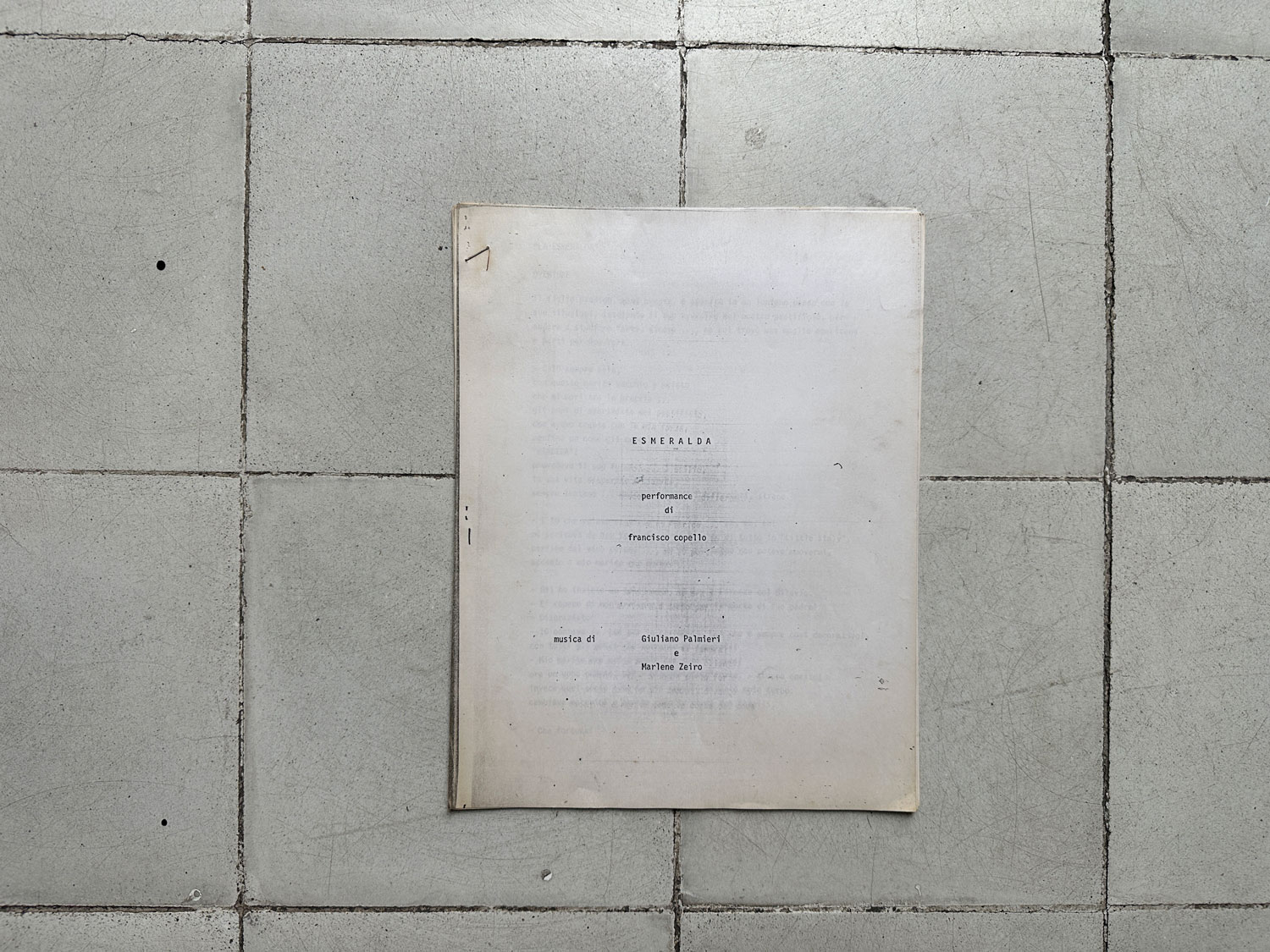
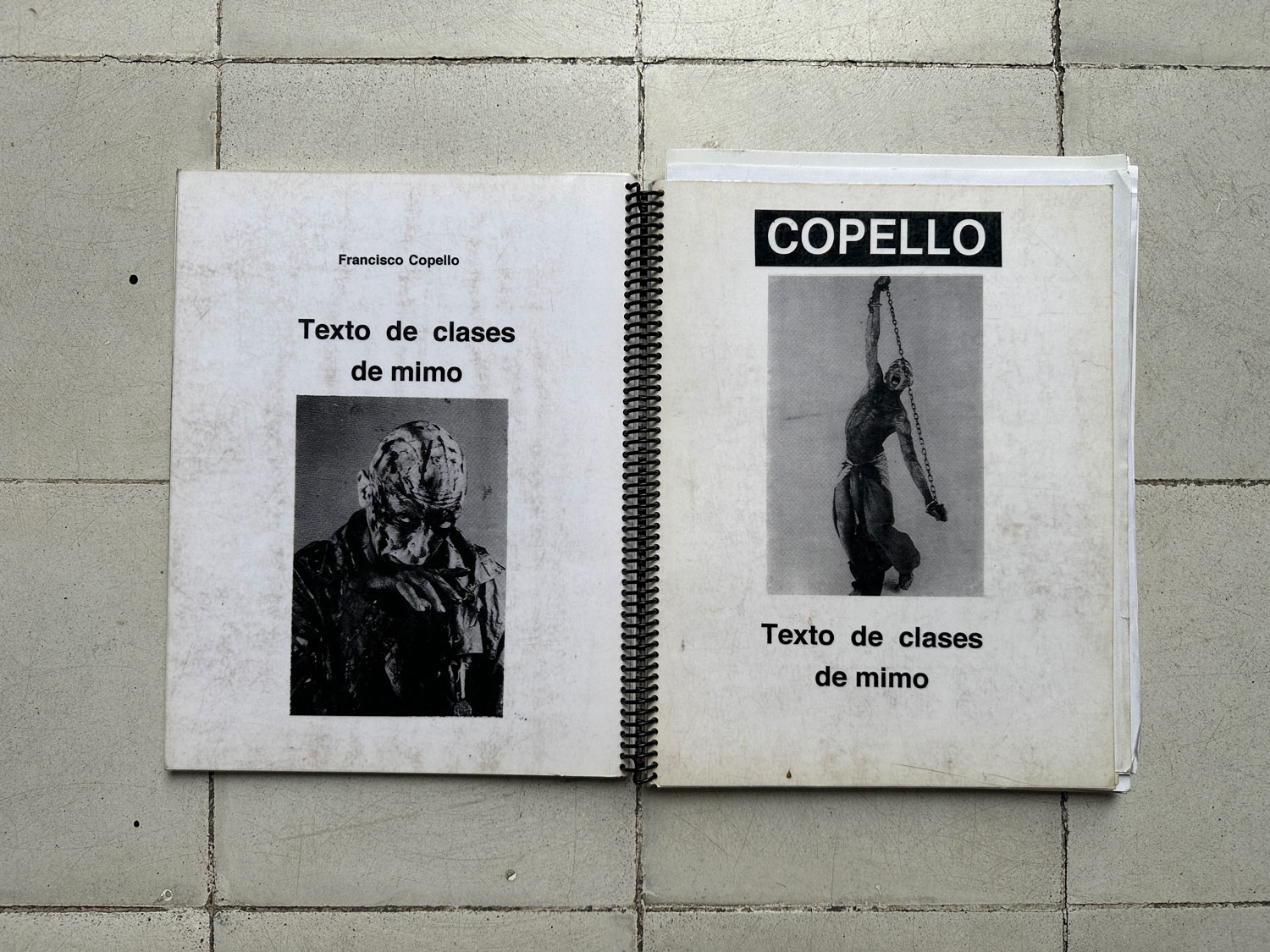
Este encuentro daría paso a una relación artística de más de una década; destaca dentro de sus colaboraciones la foto-performance “El Mimo y la Bandera” realizada en el estudio fotográfico de Giovanna Dal Magro. Durante una década residió Copello en Italia viviendo en diversas ciudades de la región ligure, donde realizó diversas foto-performances con destacados fotógrafos italianos tales como Giuseppe Pino, Maurizio Buscarino y Giuliana Traverso; destacan particularmente sus foto-performances “A Mime Story” y “Cuadros de una Exposición”. Asimismo, desarrolló en gran medida sus performances en vivo entre las que destacan sus performances “psicopatrióticas” alusivas al tema político del golpe de estado y la historia de Chile (realizadas entre 1975-1979), tales como “La Partida”, “Omaggio a Neruda” y “Esmeralda”, muchas de las cuales itineró en diversos festivales internacionales. Hacia 1980 sus obras performáticas se alejan de la política y empieza a explorar nuevas temáticas cada vez más cercanas al imaginario popular, tal como se expresa en la performance “Lana Turner” de 1983. Durante sus años en Italia, se desempeñó como profesor de expresión corporal y body-art en la escuela de Leona Laviscount, la escuela de danza de Patrizia Carratu y en el Centro Cultural Campetto Sette.
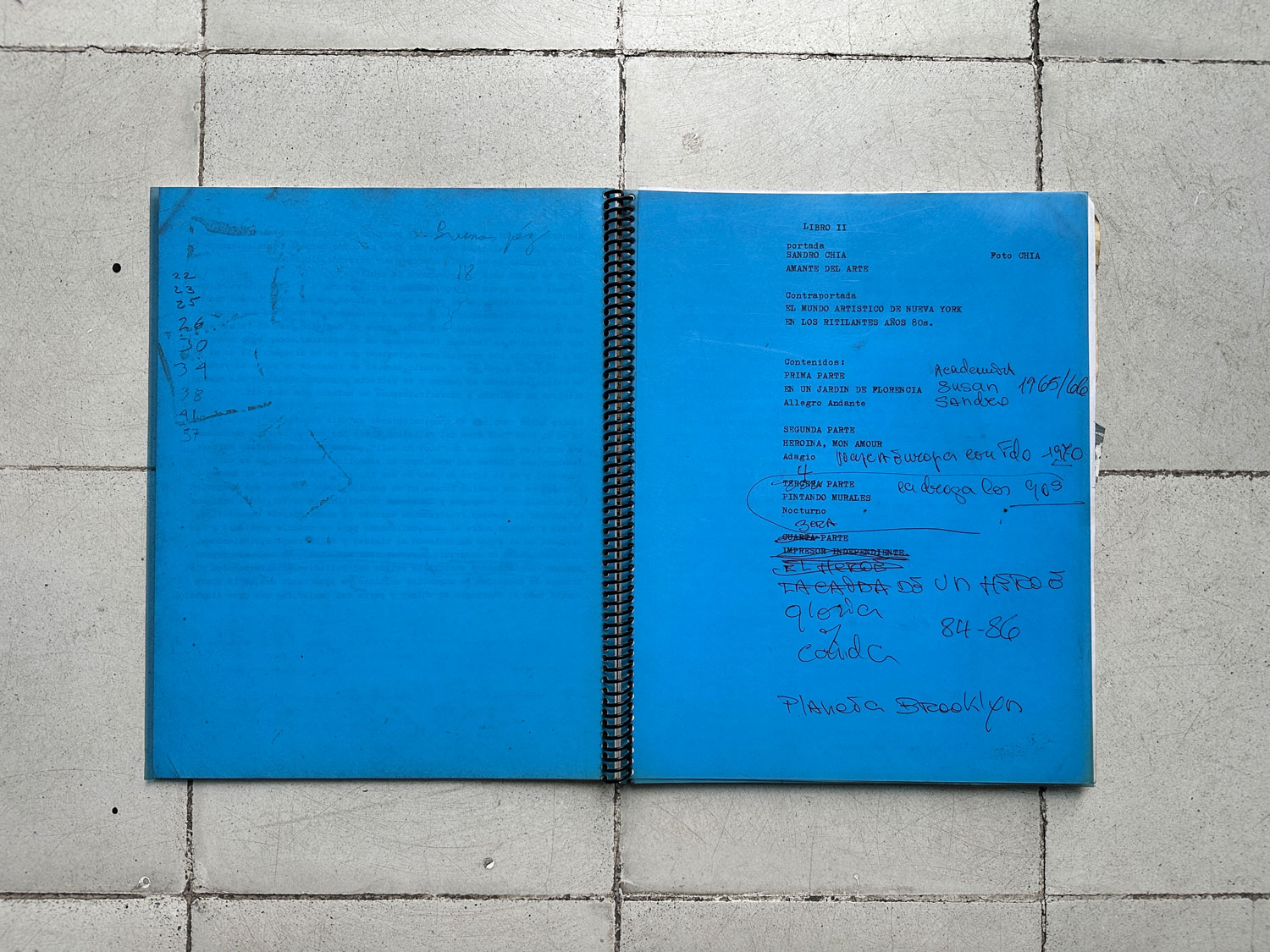
In late 1983, Copello returned to live in New York City for the second time. Between 1984 and 1986, he worked as an assistant master printer for his friend, the Italian Transavantgarde artist Sandro Chia, which allowed him to establish connections with the contemporary art scene. During these years, he also developed his performances “The Bride of America” and “Casta Diva.” Between 1986 and 1987, Copello established his own printmaking studio, the Frank Copello Printshop, where he produced editions for artists such as Sandro Chia, Rainer Fetting, Mark Kostabi, and Keith Haring, among others. In this same studio, he created several print series, such as “Times & Life of Atahualpa,” “Volcanes,” and “Cosmologies.” At the same time, he joined Paul Curtis’s American Mime Theater company.
After more than a decade, Copello returned to Chile permanently in 1996. In 1997, he received the Art Critics’ Award for the exhibitions “Footprints” at the Museum of Contemporary Art at the University of Chile and “Collages by Francisco Copello” at the Las Condes Cultural Corporation. In 1999, a retrospective exhibition of prints, photographs, installations, collages, and videos was held at the National Museum of Fine Arts; he also presented the exhibition and performance “Family Matters” at the Posada del Corregidor Gallery.
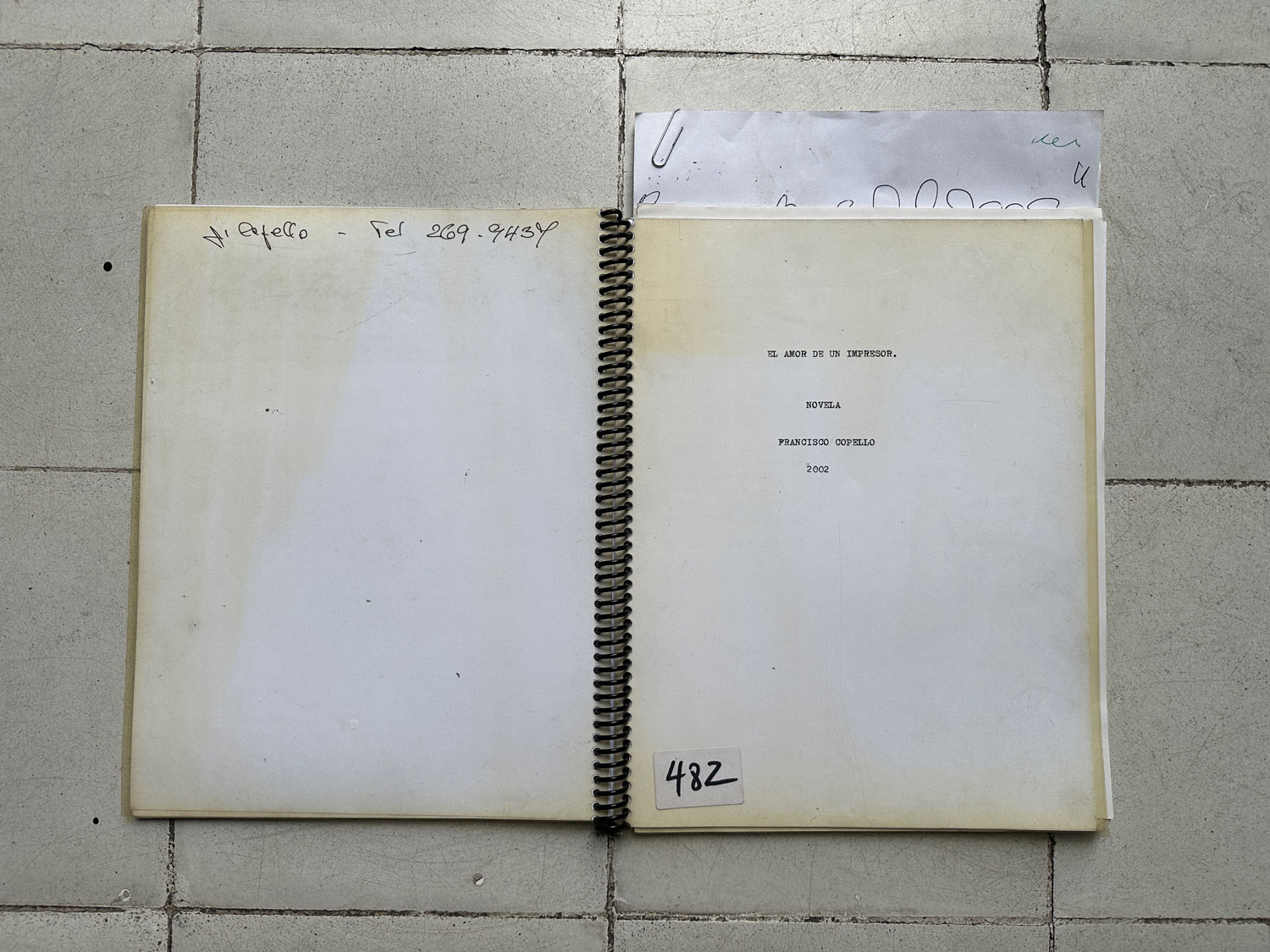
He wrote his memoirs, titled “Performance Photography: An Autobiographical Analysis of My Performances,” which was launched in 2002 at the National Museum of Fine Arts by the publisher Ocholibros.
He continued to hold exhibitions until his death on May 11, 2006.
Foto: Giovanna Dal Magro
DANCING WITH COPELLO
María Victoria Martínez Fadic,
Curatorial Researcher
My first encounter with the legacy of the artist and performer Francisco Copello was in 2014, while I was doing a professional internship at the Visual Arts Documentation Center (CeDOC) when it was still located at the Palacio La Moneda Cultural Center. There I began my specialization in the field of organizing and researching visual artists’ documentary archives. In that context, I was handed a box full of more or less loose papers—a few paper clips and staples were the only devices providing any semblance of organization—and I was asked to broadly identify, classify, and provide an initial structure for this collection of documents, which had not been reviewed to date. These papers consisted of Copello’s writings, typewritten documents, and mostly manuscripts. Having only just begun to get to know this artist through this request, I very soon discovered two things: 1) his biography is intricate and circular; he comes and goes from places, constructs characters and alter egos, has more than one personality, takes passages from his real life and then fictionalizes them; and 2) his handwriting is as curly and difficult to read as his own biography.
(...)
Francisco Copello Library